Sticky Floors, No Apologies: How Dive Bars Became the Coolest Places to Drink in 2024
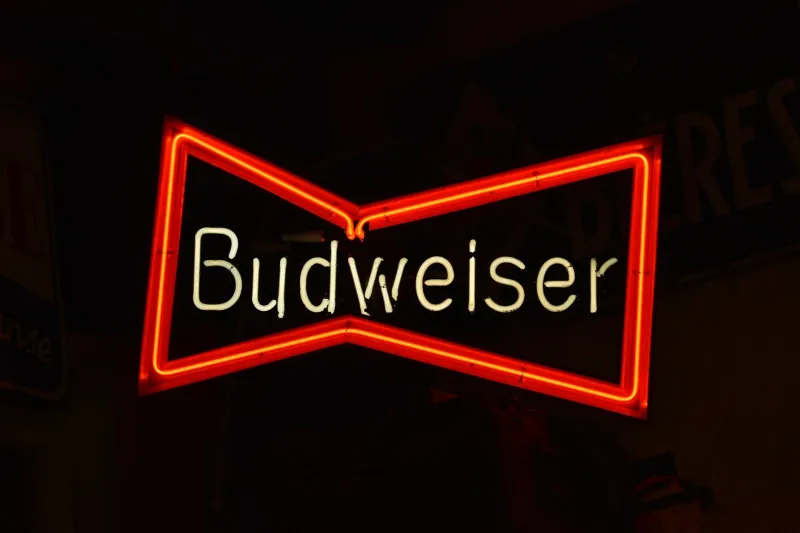
There's a bar in Wicker Park that hasn't updated its jukebox since 2009. The barstools wobble. The lighting is aggressively unflattering. A round of drinks for four people costs less than a single craft cocktail at the place two blocks north with the Edison bulbs and the seasonal shrub menu. On a Friday night, the dive is packed. The craft cocktail lounge has a wait list.
This is not an isolated incident.
Across Chicago, Brooklyn, East Nashville, and Silver Lake, a quiet but unmistakable shift is playing out in real time. The dive bar — long dismissed as a relic of blue-collar drinking culture, a place you'd end up at rather than choose — is staging one of the more unexpected comebacks in recent nightlife memory. And the people leading the charge are exactly the demographic that was supposed to be obsessed with artisanal everything.
The Cocktail Lounge Fatigue Is Real
To understand why dive bars are winning, you have to first understand what people are running away from.
The past decade gave us a very specific vision of what a "good" bar was supposed to look like. Exposed brick. A menu that reads like a short story. Bartenders in suspenders who treat every drink order like a teaching moment. Instagram walls. QR code menus. A vibe so carefully curated it feels like you walked into someone's mood board rather than a place to actually relax.
For a while, people loved it. The craft cocktail renaissance was genuinely exciting — and honestly, a well-made Negroni is still a well-made Negroni. But somewhere along the way, the experience started feeling more like a performance than a night out. You weren't just getting a drink; you were participating in a hospitality concept. And that gets exhausting fast.
"There's a certain kind of bar where you feel like you're being graded," says one regular at a no-name corner bar in Astoria, Queens. "Like if you order the wrong thing, or you don't appreciate the explanation, you've somehow failed. I don't want to fail at drinking. I just want to drink."
That sentiment — casual, a little weary, deeply relatable — is showing up everywhere right now.
What the Dive Actually Offers
Strip away the nostalgia and the irony, and what makes a dive bar work is something pretty straightforward: it removes friction.
You walk in. Nobody sizes you up. The menu is written on a chalkboard or laminated and sticky at the edges. You order a beer or a well whiskey and you get it in about forty-five seconds. There's no table minimum, no reservation required, no dress code enforced by a guy with an earpiece. The lighting is low enough that everyone looks fine. The music is loud enough that you don't have to be interesting.
In a nightlife landscape that has increasingly optimized for spectacle, the dive bar optimizes for comfort. And comfort, it turns out, is the luxury that a lot of people actually want right now.
The economics don't hurt either. With inflation squeezing discretionary spending and cocktail prices at upscale bars routinely hitting $18 to $22 a pop, a bar where you can spend $30 and have a genuinely great night starts looking less like a compromise and more like a smart choice. Younger drinkers — particularly the 25-to-35 crowd navigating student debt and a brutal housing market — are doing that math and landing at the dive every time.
The Authenticity Factor
Here's the part that gets interesting: dive bars aren't just winning on price. They're winning on something harder to manufacture — and that's authenticity.
The great irony of the Instagram-bar era is that the more a venue tried to look effortlessly cool, the more effortful it all became. People can feel when a space has been designed to be photographed rather than inhabited. And increasingly, they're opting out.
A real dive bar doesn't have a brand identity. It has a history. The regulars have been coming for fifteen years. The bartender knows what you're drinking before you sit down. The pool table is slightly off-level and everyone knows which side to compensate for. These details aren't aesthetic choices — they're just what happens when a place has been around long enough to accumulate a life.
That's not something you can replicate with a design agency and a soft open. And right now, people seem to know the difference.
The New Dive Regular Looks Different Than You'd Think
Walk into a beloved dive bar in any major American city on a Thursday night and take stock of who's actually there. You'll find the old-school regulars, sure — the guys who've been coming since the neighborhood looked completely different. But you'll also find software engineers, graphic designers, nurses, teachers, and a whole lot of people who, by all conventional markers, could afford to be somewhere fancier.
They're not there by accident. They're there by choice.
Social media, counterintuitively, has played a role in this. While the craft cocktail bar was built for Instagram, dive bars have developed their own cult followings through word of mouth and a certain low-key TikTok energy — the "this place is a total dump and I love it" energy that resonates with an audience fatigued by aspirational content. A dive bar with a great jukebox and strong pours doesn't need a marketing budget. It just needs people to keep showing up, and they do.
What This Means for Nightlife Going Forward
None of this means the craft cocktail bar is dead. It isn't. A great bar program with skilled bartenders and thoughtfully sourced spirits still has a very real place in the ecosystem — and there are plenty of drinkers who want that experience.
But the dive bar's resurgence does signal something worth paying attention to: people are recalibrating what a good night out actually means to them. Less performance, more presence. Less spectacle, more ease. Less about where you're seen and more about how you feel.
The bars that are thriving right now — the ones with lines out the door on a Tuesday — tend to share a few qualities regardless of their price point or aesthetic. They feel like they belong to the people inside them. They don't require anything from you except showing up. And they give you something increasingly rare in the modern nightlife experience: the sense that you can just be there.
The sticky floors are a feature, not a bug. Welcome back to the dive.