Tuesday Is the New Saturday: How Creative Themed Nights Are Filling Barstools on the Dead Days
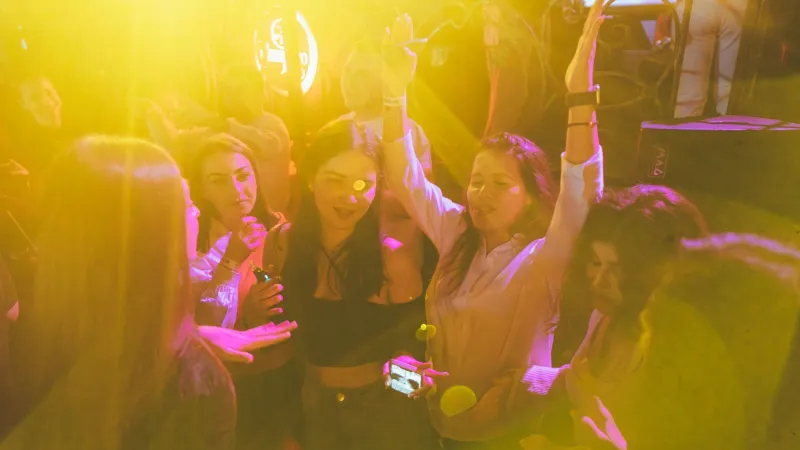
For most of bar history, Tuesday night meant one thing: nothing. Maybe a couple of regulars nursing beers at the far end of the bar. A bartender restocking the speed rail for lack of anything else to do. The kind of quiet that makes a venue feel less like a destination and more like a waiting room.
That's changing—and it's changing fast.
From Chicago's Wicker Park to Nashville's East Side to a string of neighborhoods in Philadelphia that you probably haven't visited yet, bars are turning their slowest nights into their most talked-about ones. The weapon of choice? Themed programming that gives people something to come for beyond just the drinks.
We went deep on this trend, talking to venue owners, event producers, and the regulars who've started rearranging their schedules around a Wednesday night at their favorite bar.
The Problem With Waiting for the Weekend
Before we get into the good stuff, it's worth understanding why this matters economically. A bar that only does real business Thursday through Saturday is operating at maybe 40 percent of its potential weekly capacity. Rent doesn't care what day it is. Neither does payroll, or the electric bill, or the liquor distributor.
"We were leaving so much money on the table," says Jordan Kessler, who owns a cocktail bar in Minneapolis. "But more than that, we were leaving community on the table. Our regulars only saw each other on weekends. There was no real rhythm to it."
Kessler started a Tuesday night program called "The Working Stiff" about two years ago—a rotating series of industry-specific events where people from a particular field get invited to geek out together. One week it's architects, the next it's nurses, then teachers. The bar designs a themed cocktail menu for each group, and a local trivia host runs questions related to that profession.
"The nurses night went completely viral on Instagram," Kessler says. "We had a waitlist. On a Tuesday."
What's Actually Working Out There
Themed nights aren't new—karaoke and trivia have been filling midweek slots for decades. But the current wave of programming is more ambitious, more niche, and more genuinely experiential than the old model.
Nostalgia nights are everywhere right now, and they work because they hit a demographic sweet spot. A 90s hip-hop night at a bar in Atlanta's East Atlanta Village draws people in their late 30s and early 40s who grew up on that music and now have disposable income. Same concept, different genre, different city—it scales because the emotional hook is universal. "You're not just selling drinks," says DJ and event producer Keisha Morrow, who runs themed nights across three cities. "You're selling a feeling people haven't had in 20 years. That's worth leaving the couch for."
Storytelling open mics have become a sleeper hit in cities with strong literary or creative communities. These aren't your standard open mic nights. The best versions have a theme each week—"worst first date," "the job you quit," "the night everything went wrong"—and a host who curates the lineup and keeps the energy moving. Bars in Austin, Denver, and Brooklyn have turned these into weekly institutions with genuine waiting lists.
Competitive mixology nights flip the script entirely by putting customers behind the bar. A bar in Houston runs a monthly event where groups of four compete to make the best cocktail using a mystery ingredient, judged by the house bartender. Tickets sell out. The bar moves a ton of product. And everyone leaves with a story.
Industry nights for hospitality workers have taken off in cities with dense restaurant scenes. Since most service industry folks are off on Mondays or Tuesdays, a late-night bar program specifically designed for cooks, servers, and fellow bartenders creates an incredibly loyal and word-of-mouth-driven crowd. Industry discount, good music, no attitude. Simple formula, powerful results.
The Community Flywheel
Here's what the most successful venue owners will tell you if you ask them what themed nights are really about: it's not the theme. It's the consistency.
When a bar commits to the same event every week—same night, same format, same general vibe—something remarkable happens. People start building their schedules around it. They bring friends. The friends bring more friends. A community forms not just around the bar itself, but around a specific ritual.
"Our Wednesday trivia night has teams that have been coming for three years," says Lisa Fontaine, who manages a neighborhood bar in New Orleans. "These people are friends now. They met in my bar. That's not a marketing outcome. That's a life outcome."
The design of these events matters too. The best themed nights lower the social pressure of walking into a bar alone, because there's a built-in activity and a built-in conversation starter. You're not just sitting there hoping someone interesting walks in. You're doing something, and so is everyone else.
Practical Notes for Venue Owners
If you're running a bar and your midweek numbers look grim, here's what the data and the anecdotes both suggest:
Start small and stay consistent. A themed night that runs 12 weeks in a row with 30 people beats a one-off event with 100. Consistency is what builds community, and community is what builds revenue.
Pick a lane. The most successful themed nights have a specific identity rather than a vague one. "Wednesday Night Vibes" is not a concept. "Wednesday Night: Local Artist Showcase with $8 craft cocktails" is a concept.
Collaborate locally. Partner with a local bookstore for a literary trivia night, a record shop for a vinyl listening event, or a comedy club for a rotating stand-up showcase. Cross-promotion expands your reach into communities that might not already know you.
And don't underestimate the power of a recurring special. A drink that only exists on themed night—something tied to the event's identity—gives regulars another reason to show up and first-timers something to order.
The Bottom Line
Tuesday doesn't have to be dead. Wednesday doesn't have to be something you get through on the way to Thursday. The bars figuring that out right now aren't just surviving the slow nights—they're making them the reason people come back.
Your corner bar could be a community anchor three nights a week instead of one. All it takes is a theme, a commitment, and maybe a really good playlist.