Small Bar, Big Loyalty: Why Your Corner Spot Is Beating the Mega-Club at Its Own Game
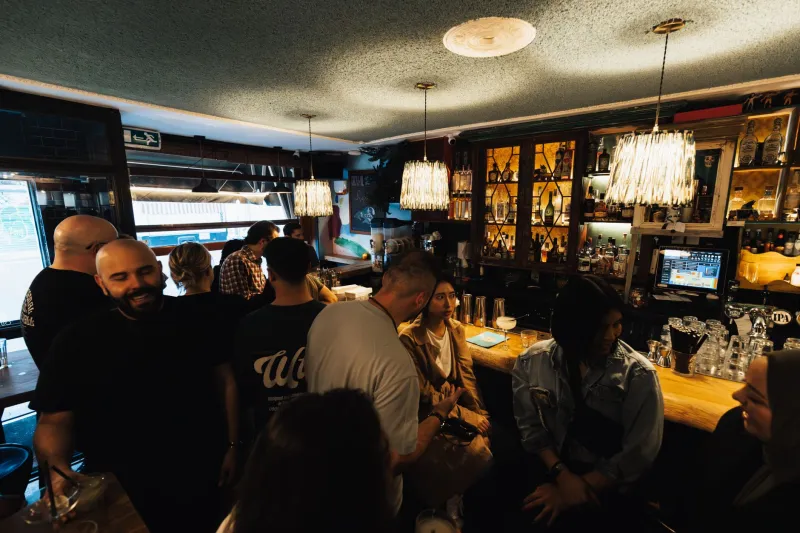
There's a bar in Wicker Park, Chicago, that doesn't have a website. No online reservations. No dress code enforced by a guy with a clipboard. The sign out front is hand-painted, slightly crooked, and has been that way since 2009. On any given Thursday, the stools are full by 7 p.m.—same faces, different conversations, same bartender pouring without being asked.
This is not a story about nostalgia. It's a story about what actually works.
Across the country, the post-pandemic nightlife landscape has quietly reshuffled its deck. The mega-venues—those 10,000-square-foot sensory overload machines with rooftop pools, celebrity DJ residencies, and $22 cocktails served in branded glassware—are struggling to maintain the momentum they had pre-2020. Meanwhile, the little guys? They're packed.
What Happened to the Big Night Out
Let's be honest: the mega-club experience was always a bit of a trade-off. You paid for the production value—the lights, the sound system, the thrill of being somewhere that felt like an event. But what you often gave up was the thing people actually crave when they go out: feeling like they belong somewhere.
The pandemic didn't create that tension, but it absolutely clarified it. Two-plus years of isolation reminded people what they actually missed about going out, and it wasn't the velvet rope. It was the bartender who remembered their order. The corner booth that felt like theirs. The crowd where they recognized half the room.
"We never really closed in spirit," says Marcus Delray, who owns a 40-seat bar in Portland's Sellwood neighborhood. "When we reopened, our regulars came back within the first week. Some of them cried. That's not something a 500-person venue can manufacture."
Delray estimates that roughly 70 percent of his revenue on any given week comes from repeat customers. He knows their names, their drink preferences, and in some cases, their kids' names. That's not a business model you can franchise.
The Intimacy Advantage
Something interesting happens in a small bar that can't be replicated at scale: people actually talk to each other. Strangers become acquaintances. Acquaintances become friends. The physical constraints of a 1,200-square-foot room force a kind of social proximity that algorithms and event planners can't engineer.
In New York, bar owners in neighborhoods like Ridgewood, Gowanus, and Inwood have watched their regulars become something closer to communities. These aren't just drinking spots—they're anchors. Places where you celebrate a new job, process a breakup, or just decompress after a brutal week without having to perform for anyone.
"There's no pressure here," says Jenna Kowalski, a regular at a cash-only bar in Queens she's been going to for six years. "At those big places, you feel like you have to look a certain way, spend a certain amount. Here, I can show up in whatever I'm wearing from work and nobody cares. That's the whole point."
For bar owners, that emotional real estate translates into something the hospitality industry obsesses over: retention. A customer who feels genuinely comfortable in your space doesn't need a promotional email to come back. They just come back.
Consistency Is the New Cool
Here's a concept that doesn't get enough credit in nightlife coverage: consistency. The mega-venue model is built on spectacle, and spectacle, by definition, requires constant escalation. New DJ. New menu. New theme. New reason to visit. It's an exhausting hamster wheel that burns through marketing budgets and audience goodwill simultaneously.
Neighborhood bars operate on an entirely different logic. The appeal isn't novelty—it's reliability. The same well-made Old Fashioned. The same playlist that somehow always feels right. The same faces behind and in front of the bar.
"I haven't changed my menu in three years," says Rosa Fuentes, who runs a 30-seat mezcal bar in San Antonio's Southtown district. "People come specifically because they know what they're getting. I added one new cocktail last spring and my regulars acted like I'd renovated the whole place."
Fuentes's bar doesn't run ads. It doesn't need to. Word of mouth—actual, human word of mouth, not influencer-amplified social posts—keeps her seats full five nights a week.
The Instagram Problem (and Why It Doesn't Matter Here)
Mega-venues built their post-pandemic recovery strategy largely around visual content. Neon installations. Photogenic bar carts. Cocktails that smoke, glow, or arrive under a glass dome. The goal was to be shareable, to exist as a destination that people documented and distributed.
It worked, briefly. But there's a ceiling to that strategy, and a lot of large venues are bumping against it right now. The moment a place becomes famous for its aesthetic, it attracts people who are there for the photo, not the experience. That shifts the room's energy in ways that are hard to recover from.
Neighborhood bars are largely immune to this cycle because they're not optimized for it. The Wicker Park bar with the crooked sign? It shows up on Instagram occasionally, sure. But it's not designed to. And that authenticity—the fact that it would exist and thrive regardless of whether anyone posted about it—is precisely what makes people want to post about it.
What This Means for the Night Out
If you're someone who still defaults to the splashy new opening, the rooftop bar with the three-month waitlist, the venue that just got written up everywhere—no judgment. Those experiences have their place. But the data, the anecdotes, and frankly just the vibe on the ground all point to the same conclusion: the best nights out right now are happening somewhere smaller than you'd expect.
The neighborhood bar never went away. It just waited while the industry chased something flashier, and now it's collecting the loyalty that spectacle couldn't hold onto.
Find your spot. Learn the bartender's name. Go back next week. That's the whole playbook—and it's been working since long before any of this was a trend.