Drinking Expensive: The Real Story Behind That $22 Cocktail on Your Tab
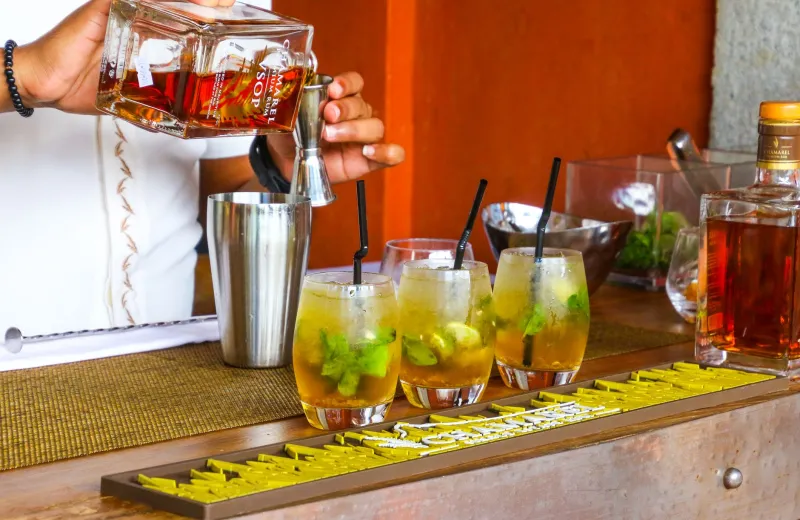
You slid into a bar stool last Friday, scanned the menu, and did a little internal math. Fifteen dollars for a negroni. Twenty-two for something with a housemade shrub and a smoked ice cube. You ordered anyway—because of course you did—but you spent the next hour quietly wondering what exactly you were paying for.
You're not alone. Across American cities, cocktail prices have jumped between 25 and 40 percent since 2020, according to data from hospitality analytics firm CGA. The national average price of a craft cocktail in a mid-tier urban bar now sits somewhere between $16 and $24 depending on the market. In New York, Los Angeles, and Chicago, ceilings are higher. And the question everyone's asking—whether they say it out loud or just stew over it quietly—is whether any of this is actually justified.
The short answer: sometimes yes, sometimes no, and it genuinely depends on who's pouring your drink.
The Cost Stack Nobody Talks About
Bar owners have a phrase for the bundle of expenses that go into a single cocktail: the cost stack. It includes the obvious stuff—spirits, citrus, garnishes, syrups—but also rent, utilities, insurance, licensing fees, point-of-sale software subscriptions, and labor. When any one of those layers shifts, the whole structure wobbles.
Right now, multiple layers are wobbling simultaneously.
"Limes were $90 a case two years ago. We're paying $160 for the same case today," says Marcus Delgado, co-owner of a craft cocktail bar in Austin, Texas. "Agave prices swung hard after the tequila boom. Quality bourbon got more expensive because everyone started wanting it. We didn't raise prices to get rich. We raised them to stay open."
Delgado's experience tracks with broader commodity data. The USDA's food price index shows that citrus, fresh herbs, and specialty spirits have all seen sustained inflation since 2021. Some categories—particularly aged spirits and imported liqueurs—have faced additional pressure from tariff adjustments and supply chain disruptions that started during the pandemic and never fully resolved.
Labor is the other massive variable. The federal tipped minimum wage hasn't moved from $2.13 in decades, but many states and cities have passed their own floor increases. California now requires $16 per hour base for tipped workers. New York City is at $16.00 as well. Seattle is higher. Bar owners in those markets aren't just absorbing the cost of the lime—they're also recalculating every labor hour against a new baseline.
Rent as a Silent Menu Item
If you're drinking in a neighborhood that used to be gritty and is now full of boutique hotels and artisanal everything, you're partially paying for that transformation every time you order a round.
Commercial rent in high-traffic urban corridors has recovered aggressively from pandemic-era lows. In many markets, landlords who offered short-term relief in 2020 have since reclaimed that ground and then some. A bar that locked in a five-year lease at a 2019 rate is now a lucky outlier. Everyone else is renegotiating—or not—at numbers that would make your eyes water.
"Our rent went up 30 percent when we renewed last year," says Priya Nair, who runs a cocktail lounge in Atlanta's Old Fourth Ward neighborhood. "That's not a rumor. That's the number. So yeah, the old fashioned costs more now. I wish it didn't."
Nair is quick to note that she hasn't simply passed costs straight to customers without thinking about it. She restructured her menu to feature more spirit-forward drinks with lower ingredient costs, introduced a happy hour program with genuine discounts rather than token ones, and started a punch bowl service for groups that delivers better value per ounce. It's creative problem-solving dressed up as hospitality.
What the Good Ones Are Doing With the Margin
Here's where the story gets genuinely interesting—and where bars start to separate themselves from one another.
A growing number of venues are using premium pricing not just to survive, but to build something better. In Portland, Oregon, a cocktail bar called Tender operates on what its owners call a "full cost" model: prices are set to fund living wages for all staff, regardless of tips, along with a profit-sharing pool and paid sick leave. Their cocktails start at $18. Reservations fill up weeks in advance.
"People ask why we're expensive," says one of Tender's founders. "We tell them exactly why. And most of the time, once they understand, they feel better about spending the money."
Transparency is becoming a real differentiator. Some bars have started including brief notes on their menus explaining sourcing choices—locally grown herbs, small-batch spirits from regional distilleries, organic citrus—that justify higher price points without requiring customers to just take it on faith.
Sustainability is another area where pricing and values intersect. Bars that compost their citrus waste, use whole-ingredient programs to minimize waste, and source spirits from certified sustainable producers do incur higher operating costs. But they're also building a customer base that cares about those choices and is willing to pay for them.
When the Price Hike Is Just Greed
Let's be honest: not every bar raising prices is doing it for noble reasons or even necessary ones.
Economists who study the hospitality sector note that some operators used the post-pandemic "everything is expensive" narrative as cover for margin expansion that went beyond what cost increases actually required. "There's legitimate cost pressure, and then there's opportunistic repricing," says one hospitality economist who consults with restaurant groups. "The consumer has a hard time telling the difference, which is exactly the problem."
The tells, according to industry insiders: menus that raise prices without improving quality or sourcing, venues that cut staff while charging more, and places that introduce "service fees" on top of already-inflated prices without any explanation of where that money goes. If you're paying 22 dollars for a cocktail and the bartender is still making $3 an hour plus tips in a state that allows it, someone is capturing that margin—and it's not the person who made your drink.
How to Spend Your Money Better
None of this means you should stop going out. It means you should go out smarter.
Ask questions. Bars that are proud of their pricing decisions will tell you exactly why their cocktails cost what they do. Look for menus that acknowledge sourcing, staff investment, or community contributions. Support happy hours that are actually generous rather than performative. And when you find a bar that's doing right by its people and its neighborhood—tip well anyway. The economics of nightlife are complicated, but the math on generosity is pretty simple.
That $22 cocktail might be highway robbery. Or it might be the most ethically priced drink in the room. The difference is worth knowing.